Community-engaged research - A personal reflection
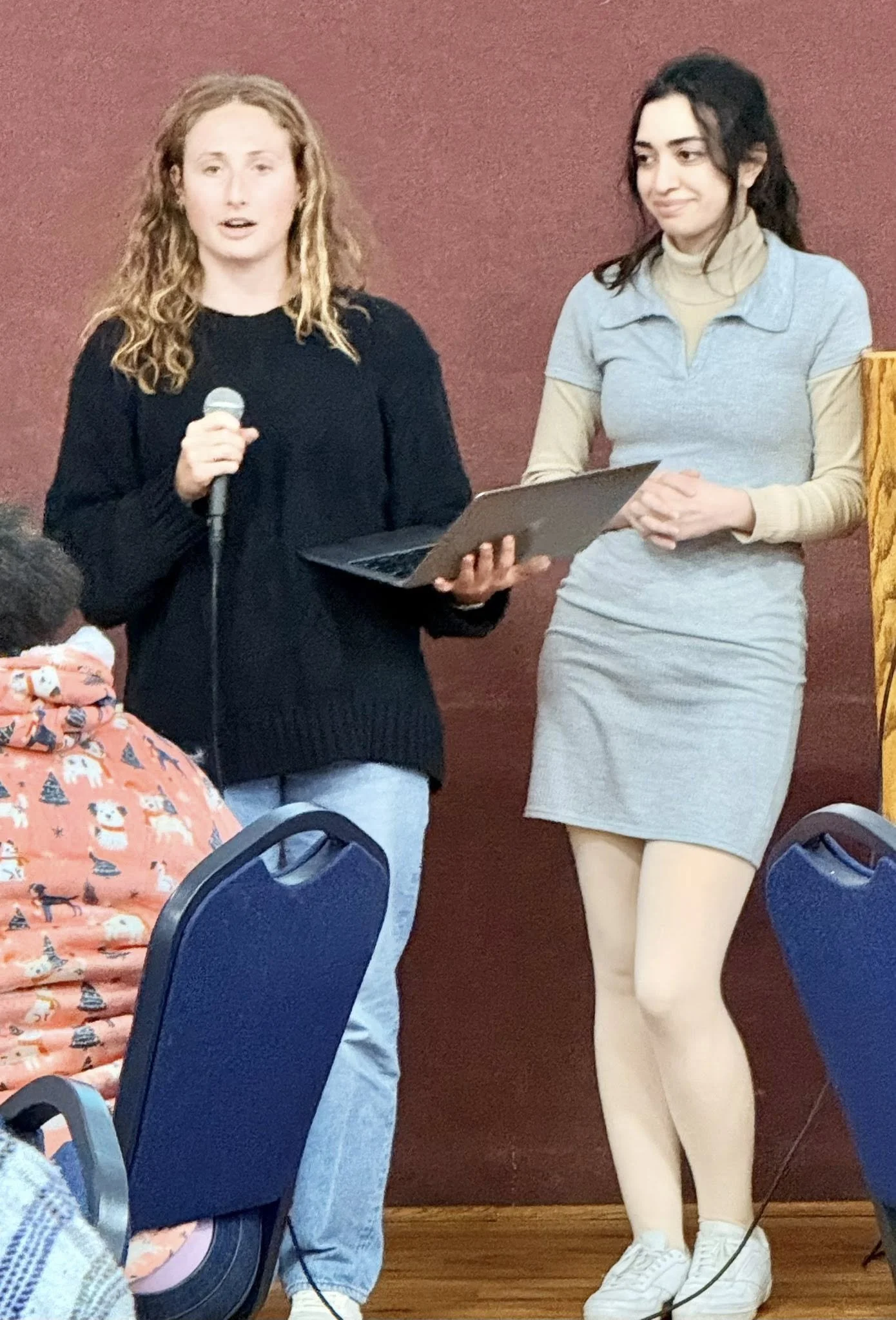
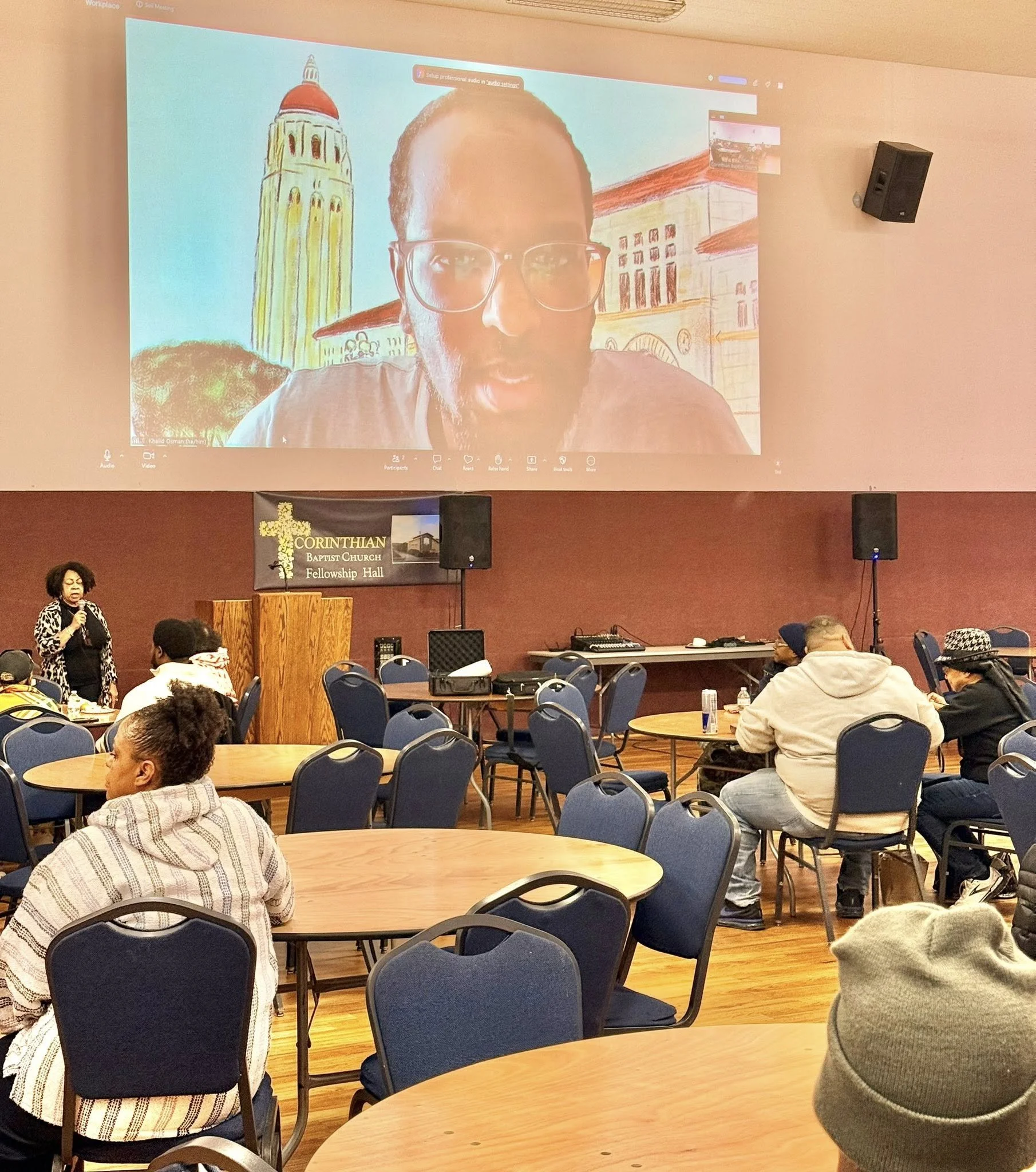
Our recent trip to Des Moines reminded me that meaningful community engagement begins with presence, trust, and listening. Although we were there to conduct surveys, what stayed with me most was everything that could never be captured by a questionnaire alone: the relationships in the room, the trust that made participation possible, and the lived experiences behind every answer. Being there in person made visible what would have remained hidden in any remote or impersonal format.
The survey sessions were hosted in the conference room at Corinthian Baptist Church, a black baptist church in downtown Des Moines. It quickly became clear that this was more than just a convenient meeting place. It was a space of trust and community. This atmosphere was in large part fostered by Robin, the church minister who was instrumental in helping to organize and manage the sessions. People knew her. They greeted her warmly, spoke to her with familiarity, and seemed to trust the process because they trusted her. That alone was a powerful reminder that community-based work does not begin when researchers arrive. It begins with the relationships already built by people who have long been present.
What also stood out was that many participants were not there out of casual interest. They had personal stakes in the issues being discussed. These were not abstract concerns about infrastructure, flooding, or water quality. These were lived experiences that often held heavy presences in people’s homes, health, memories, and grief.
One woman told us about losing her husband during the Des Moines flooding in 2018. As she shared the story of her experience, the tragedy was no longer a news item or a statistic something immediate and deeply human. She described how the floodwaters carried the two of them into a trench; how she survived, and how her husband did not. There was a kind of sorrow in her expression that cannot be captured in a survey checkbox or a typed comment. It was not simply in her words, but in the way she carried the memory. That kind of truth is difficult to measure, but impossible to ignore when you are sitting across from someone who has lived it.
Another woman spoke about her experience as a cancer survivor and shared her concerns about water quality in Des Moines, with Iowa having the highest rising cancer rate in the U.S. She spoke with knowledge, but also with conviction born from experience. She understood what it meant to fight for her life, and she did not speak only for herself. She spoke with hope for her city, with the desire to see things improve, and with a determination that felt both personal and collective. What struck me was not only the seriousness of her concern, but the vitality with which she expressed it. She was not speaking from resignation. She was speaking from care.
Others described how funding and resources intended to address these problems too often seem to flow elsewhere and toward more prosperous communities, while vulnerable neighborhoods are left with what remains. Not the full promise of investment, but its residue. Not the first call of repair, but the delayed and diminished version of it. Again, while these realities can be summarized analytically, hearing them shared directly from community members reminded me that inequity is not experienced as a policy concept. It is experienced as waiting, neglect, and the repeated feeling that some communities are expected to endure what others are protected from.
This trip reinforced for me how much is lost when human interaction is removed from community-based research. In-person engagement gives access not only to responses, but to the texture of those responses: the pauses, the handshakes, the familiarity between neighbors, the trust placed in local organizers, the shine in someone’s eyes when emotion rises just beneath the surface. These might be small details, but they are not insignificant. They shape what people are willing to share, how they choose to share it, and what their words actually mean.
A virtual, remote survey might still gather useful information. It might tell us what people think, or at least what they are able to record in a structured format. But it would have missed so much of what gives those answers depth. It would have missed the social fabric of the room. It would have missed the grief that still lives behind certain stories. It would have missed the hope, resilience, and moral clarity with which people spoke about their community. Most of all, it would have missed the fact that these are not just opinions about a public issue. They are lived experiences, of loss, of illness, of survival, of unequal treatment, and of continued investment in a better future.
That is what stayed with us in Des Moines. Not just the data we collected, but the reminder that community engagement is, at its core, about listening closely enough to recognize that behind every response is a life being lived. And some things can only be understood when you are there to witness them.